Thermal War Font for Web Design
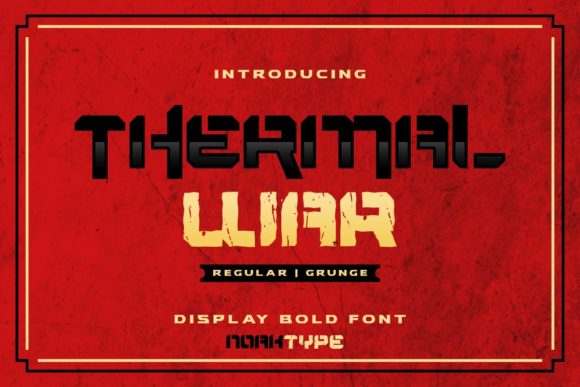
Thermal War is a bold, thick lettered display font that adds a strong visual presence to digital projects. Its clean yet powerful style makes it ideal for web designers looking to create impactful headers, logos, and branding elements. As a display font, Thermal War stands out in hero sections, call-to-action buttons, and other prominent design areas where clarity and impact matter.
The font’s thick strokes and modern structure give it a confident tone, making it perfect for brands that want to convey strength, energy, or creativity. Whether you're designing a landing page, an online store, or a social media graphic, Thermal War can help establish a clear visual hierarchy and reinforce brand identity across digital platforms.
Using Thermal War in Web Layouts
In web design, Thermal War shines in headings and section titles where it commands attention without overwhelming the reader. Its boldness helps guide users through content, making it easier to scan and understand key messages. For example, on a product landing page, using Thermal War for the main headline can immediately draw visitors’ eyes and set the tone for the rest of the page.
On a creative portfolio site, Thermal War can be used for project titles or taglines, adding a professional and dynamic feel. Pairing it with a simpler sans serif font for body text ensures readability while maintaining visual interest. This combination is especially effective for blog headers, course pages, or coaching websites where both style and legibility are important.
Thermal War in Branding and Digital Identity
Thermal War is more than just a decorative font—it's a tool for building consistent brand experiences. When used across a website, app interface, or digital ad, it helps maintain a cohesive look that reinforces brand recognition. Its thick letterforms work well for logo design, ensuring that the brand name is memorable and visually striking.
For online stores, Thermal War can be used in banners, product titles, or promotional headlines. It adds a sense of urgency or excitement, which can improve conversion rates. On a boutique e-commerce site, for instance, using Thermal War for a “Limited Edition” banner can make the message more compelling and visually engaging.
Readability and Responsive Design Considerations
While Thermal War is highly readable at larger sizes, it's best suited for short phrases and headlines rather than long blocks of text. On mobile screens, using it for buttons or navigation labels can enhance usability, as its thick strokes remain clear even at smaller sizes. However, avoid using it for body copy, as it may reduce legibility on low-resolution displays.
When placing Thermal War over images or dark backgrounds, ensure there's enough contrast to maintain visibility. Light backgrounds can also work well, especially when paired with a subtle shadow or outline effect. These adjustments help keep the font readable across different screen sizes and device types.
Font Pairing and Webfont Availability
Thermal War pairs well with simple, clean fonts that complement its bold style. A sans serif font like Open Sans or Lato can provide a balanced contrast, making it easier to read longer text while keeping the overall design modern. For editorial or print-inspired designs, pairing it with a serif font like Georgia or Playfair Display can add a refined touch.
Ensure that the font is available in multiple weights and styles if needed. Some display fonts come in regular, bold, or italic versions, which can offer more flexibility in design. Check for webfont formats such as WOFF or WOFF2 to ensure compatibility with most browsers and platforms.
Commercial Use and Licensing
When using Thermal War for commercial projects—such as client websites, online stores, or digital templates—it's important to verify the licensing terms. Many premium fonts require a separate license for web use, especially if they’re distributed across multiple sites or used in templates sold to others.
For designers working on SaaS products, marketing campaigns, or brand assets, confirm that the font allows for these uses. Proper licensing ensures that your design remains compliant and avoids potential legal issues down the line.
Thermal War in Action: Real-World Examples
Consider a digital marketing agency using Thermal War for their homepage header. The font’s boldness and clarity make it ideal for a headline that communicates expertise and confidence. In a coaching website, Thermal War could be used for course titles or service headings, reinforcing a professional and motivational tone.
On a blog or content platform, Thermal War can be used for article titles or featured sections, helping to break up content and guide readers through the page. Its strong visual presence ensures that each section feels distinct and purposeful, improving user engagement and overall experience.
Conclusion
Thermal War offers a powerful solution for web designers and digital creators who need a strong, expressive display font. Its bold style and clean lines make it suitable for a wide range of applications, from headers and logos to banners and call-to-action elements. When used thoughtfully, it enhances visual hierarchy, supports brand identity, and improves user interaction across digital platforms.